 Skip to content
Types of flooring materials available
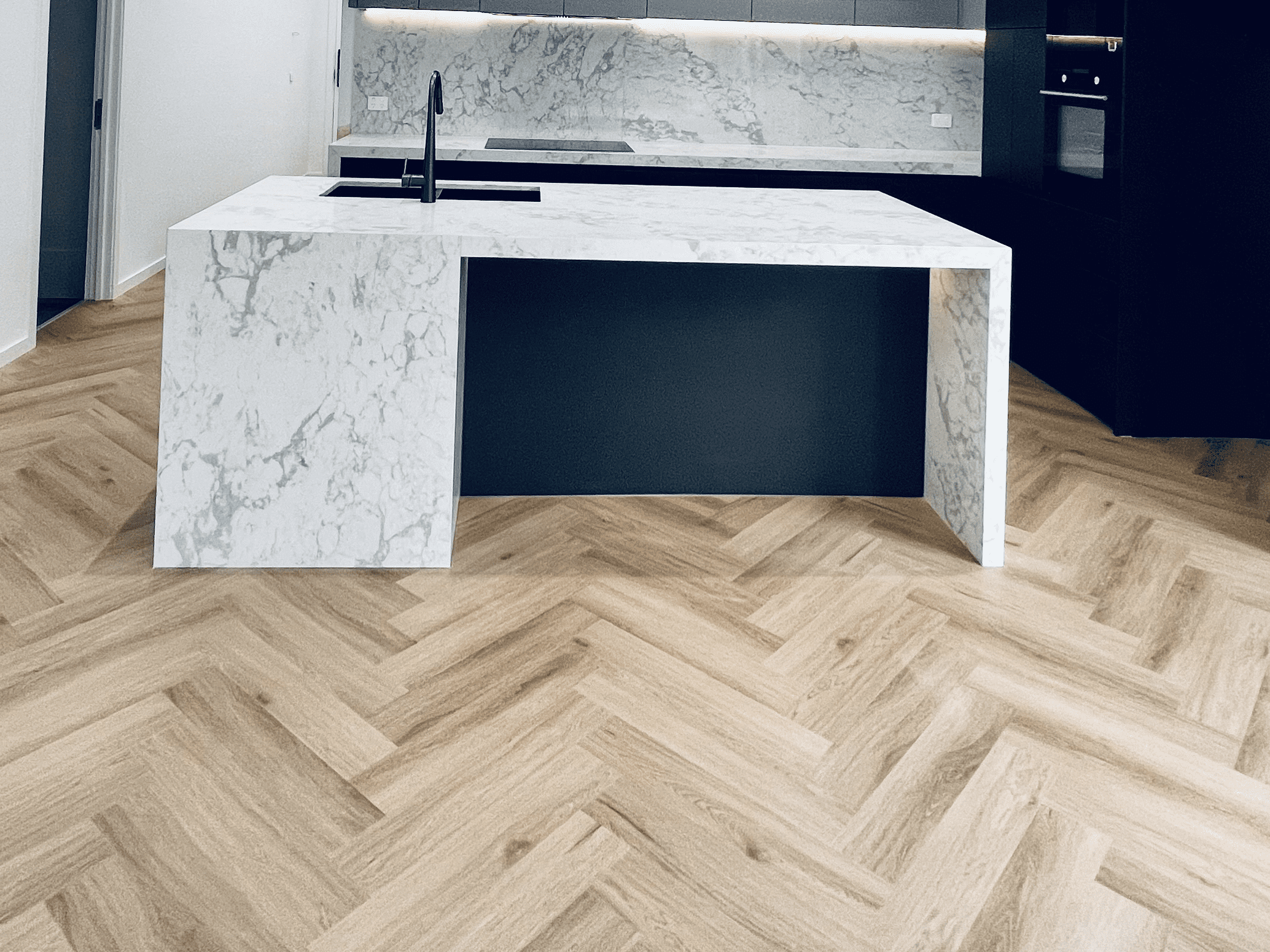
There are various types of flooring materials available, each with its own characteristics, advantages, and considerations. Here are some common flooring types:
- Hardwood Flooring: Hardwood floors are made from solid wood planks or engineered wood composed of multiple layers. They offer a timeless and elegant look, are durable, and can be refinished multiple times. Common hardwood species include oak, maple, and cherry.
- Laminate Flooring: Laminate flooring consists of synthetic layers fused together through lamination. It can mimic the appearance of hardwood, stone, or tile at a more affordable price. Laminate is easy to install, durable, and low-maintenance.
- Vinyl Flooring: Vinyl flooring is available in sheets, tiles, or planks and is made from synthetic materials. It is highly versatile, water-resistant, durable, and comfortable underfoot. Vinyl comes in a wide range of designs and can resemble hardwood, stone, or tile.
- Ceramic Tile Flooring: Ceramic tiles are made from clay and other natural materials. They are available in various sizes, shapes, colors, and patterns. Ceramic tiles are moisture-resistant, durable, and easy to clean. They are commonly used in bathrooms, kitchens, and other high-moisture areas.
- Porcelain Tile Flooring: Porcelain tiles are similar to ceramic tiles but are denser and less porous. They are highly durable, water-resistant, and suitable for both indoor and outdoor use. Porcelain tiles come in various finishes and can resemble natural stone or wood.
- Natural Stone Flooring: Natural stone options include marble, granite, limestone, slate, and travertine. Each stone type offers unique patterns and characteristics. Natural stone is durable, elegant, and adds a luxurious touch to any space. However, it requires proper sealing and maintenance.
- Carpet Flooring: Carpets are soft and comfortable underfoot, offering warmth and noise insulation. They come in a variety of colors, textures, and pile heights. Carpets can be made from natural fibers like wool or synthetic materials like nylon and polyester. They require regular vacuuming and periodic professional cleaning.
- Bamboo Flooring: Bamboo flooring is an eco-friendly option made from rapidly renewable bamboo grass. It has a unique appearance and offers durability similar to hardwood floors. Bamboo is resistant to moisture and can be an excellent choice for both residential and commercial spaces.
- Cork Flooring: Cork flooring is made from the bark of cork oak trees. It is sustainable, comfortable to walk on, and has natural thermal and acoustic insulation properties. Cork is resistant to mold, mildew, and pests. It is often used in areas where comfort and sound absorption are important. These are just a few examples of flooring types available in the market. When choosing a flooring material, consider factors such as durability, maintenance requirements, cost, aesthetics, and the specific needs of the area where the flooring will be installed.
Hardwood Flooring
Hardwood flooring is a popular and classic choice for many homeowners. Here’s some more information about hardwood flooring:
- Types of Hardwood: Hardwood floors are typically made from solid wood or engineered wood. Solid hardwood is milled from a single piece of timber and is available in various species such as oak, maple, cherry, walnut, and more. Engineered hardwood is constructed with a top layer of hardwood veneer bonded to multiple layers of plywood or high-density fiberboard (HDF).
- Durability: Hardwood floors are known for their durability and can last for decades if properly maintained. Solid hardwood can be sanded and refinished multiple times, which helps to refresh its appearance and remove scratches or dents. Engineered hardwood can also be refinished, but it generally has a thinner top layer, limiting the number of refinishing cycles.
- Aesthetic Appeal: Hardwood floors offer a natural and warm aesthetic that can enhance the overall look of a room. The grain patterns, color variations, and natural beauty of wood add character and elegance to any space. Hardwood can be stained or finished in different ways to achieve a desired color or shine.
- Installation: Hardwood flooring can be installed using different methods, such as nailing or stapling it to a subfloor, gluing it down, or floating it over an underlayment. Solid hardwood is typically nailed or stapled, while engineered hardwood offers more flexibility and can be installed in various ways.
- Maintenance: Hardwood floors require regular maintenance to keep them in good condition. Sweeping or vacuuming with a soft brush attachment helps remove dirt and debris. Spills should be wiped up promptly to avoid staining or water damage. Periodic cleaning with a hardwood floor cleaner is recommended, but avoid excessive moisture.
- Considerations: Hardwood flooring is susceptible to scratches and dents, especially in high-traffic areas. It can also be affected by humidity and temperature changes, expanding or contracting accordingly. Therefore, it is important to acclimate the flooring to the environment before installation and maintain a stable indoor climate.
- Cost: The cost of hardwood flooring varies depending on factors such as the type of wood, grade, thickness, and finish. Solid hardwood tends to be more expensive than engineered hardwood. Additionally, installation costs should be considered, which can vary based on the complexity of the project and location.
- Eco-Friendliness: When choosing hardwood flooring, you may want to consider the sustainability of the wood. Look for products certified by organizations like the Forest Stewardship Council (FSC), which ensures responsible forestry practices. Bamboo flooring, although technically a grass, is also considered a sustainable option.
Hardwood flooring offers timeless beauty, durability, and a wide range of options to suit different styles and preferences. It’s important to consult with flooring professionals or experts to determine the best type of hardwood flooring for your specific needs and to ensure proper installation and maintenance.
OneCon build is here to help bring your vision for a dream home to life. We understand that everyone is unique, and that’s why we offer tailored renovation solutions to cater to your preferences. our company is committed to serving our customers with dedication and passion.
Laminate Flooring
- Laminate flooring is a versatile and cost-effective flooring option that replicates the look of hardwood, stone, or tile. Here’s some information about laminate flooring:
- Construction: Laminate flooring consists of multiple layers that are fused together through a lamination process. The layers typically include a backing layer, a core layer made of high-density fiberboard (HDF) or medium-density fiberboard (MDF), a printed design layer, and a protective wear layer.
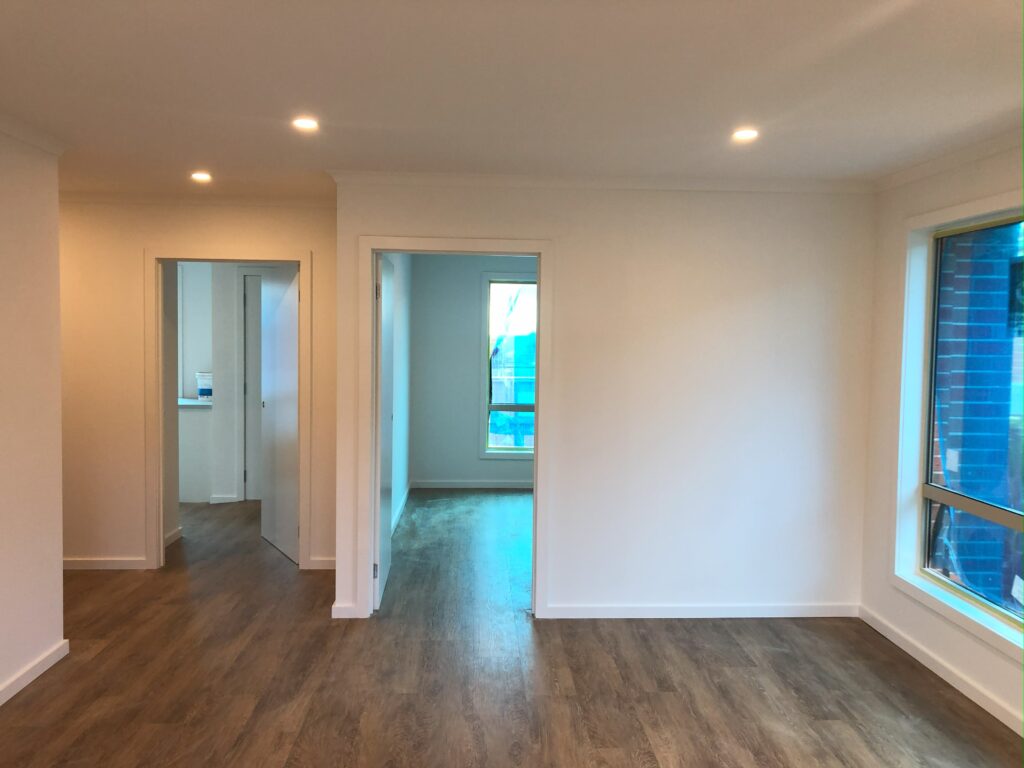
- Appearance: Laminate flooring is designed to mimic the look of natural materials such as hardwood, stone, or tile. The printed design layer uses high-resolution photographs or patterns to recreate the desired look. It can replicate various wood species, such as oak, maple, or walnut, as well as different tile or stone patterns.
- Durability: Laminate flooring is known for its durability and resistance to scratches, stains, and fading. The wear layer provides protection against everyday wear and tear, making it suitable for high-traffic areas. However, laminate flooring is not as resistant to moisture as some other flooring types, so it should be used with caution in areas prone to water exposure.
- Installation: Laminate flooring is typically installed as a “floating floor” system, which means it is not directly attached to the subfloor. The planks or tiles interlock with each other using a tongue-and-groove system or click-lock mechanism. This installation method allows for easy and efficient installation without the need for nails or glue.
- Maintenance: Laminate flooring is relatively low-maintenance. Regular sweeping or vacuuming with a soft brush attachment helps remove dust and debris. Spills should be cleaned up promptly to prevent moisture damage. Laminate flooring is resistant to stains and doesn’t require refinishing or sanding like hardwood floors.
- Affordability: Laminate flooring is often more affordable than hardwood, stone, or tile. It offers a cost-effective way to achieve the look of these natural materials without the higher price tag. The overall cost will depend on factors such as the quality, thickness, and design of the laminate.
- Versatility: Laminate flooring is available in a wide range of styles, colors, and finishes. It can suit various design preferences and complement different interior styles. Some laminates also feature embossed textures that mimic the feel of real wood or stone.
“Do not do anything without consulting professionals first! If you want something done right, make sure you get help from skilled professionals who know what they are doing!”
While laminate flooring offers numerous benefits, it’s important to note that it may not have the same visual or tactile authenticity as natural materials. Additionally, laminate flooring may not add the same level of value to a property as hardwood or tile flooring. Nonetheless, it remains a popular and practical choice for those seeking an attractive and budget-friendly flooring option.
Vinyl flooring
Vinyl flooring is a versatile and durable flooring option that is available in various styles, colors, and patterns. Here’s some information about vinyl flooring: Types of Vinyl Flooring: There are two main types of vinyl flooring: sheet vinyl and luxury vinyl tile/plank (LVT/LVP).
- Sheet Vinyl: Sheet vinyl is a continuous sheet of vinyl flooring that comes in rolls. It is typically available in large, seamless pieces and is suitable for areas with high moisture, such as bathrooms and kitchens.
- Luxury Vinyl Tile/Plank (LVT/LVP): LVT/LVP consists of individual tiles or planks that mimic the look of natural materials like wood, stone, or tile. It offers a more realistic appearance and texture compared to sheet vinyl.
- Durability: Vinyl flooring is known for its durability and resistance to wear, stains, and water. It is highly suitable for high-traffic areas and spaces prone to moisture, such as bathrooms and kitchens. The durability of vinyl flooring is often measured by its wear layer thickness, which can range from thin to commercial-grade.
- Installation: Vinyl flooring is available in different installation methods, including glue-down, peel-and-stick, and click-lock systems. Glue-down vinyl requires adhesive to secure the flooring to the subfloor, while peel-and-stick vinyl has a self-adhesive backing. Click-lock vinyl utilizes a floating floor installation, where the planks or tiles interlock without the need for adhesive.
- Maintenance: Vinyl flooring is relatively low-maintenance. Regular sweeping or vacuuming with a soft brush attachment helps remove dirt and debris. Spills can be wiped up easily. Vinyl is resistant to stains and does not require sealing or waxing. It is important to follow the manufacturer’s guidelines for cleaning products and methods.
- Water Resistance: Vinyl flooring is highly water-resistant, especially LVT/LVP. This makes it suitable for areas prone to moisture, such as bathrooms, kitchens, and basements. However, while vinyl is resistant to water, excessive moisture and standing water should still be avoided, as it can seep into seams or edges.
- Comfort and Resilience: Vinyl flooring offers a comfortable underfoot feel and can provide some cushioning. It has a certain level of resilience, meaning it can bounce back after being compressed, which adds to its durability and makes it more forgiving on the joints compared to harder flooring options like tile or hardwood.
- Design Options: Vinyl flooring offers a wide range of design options. It can mimic the appearance of various materials, including hardwood, stone, ceramic tile, and even concrete. Additionally, it is available in different colors, patterns, and textures, allowing for customization and coordination with different interior styles.
- Affordability: Vinyl flooring is generally considered a cost-effective option compared to materials like hardwood or natural stone. The price of vinyl flooring varies depending on factors such as the type, quality, thickness, and design. However, it is important to note that higher-end luxury vinyl products may be more expensive
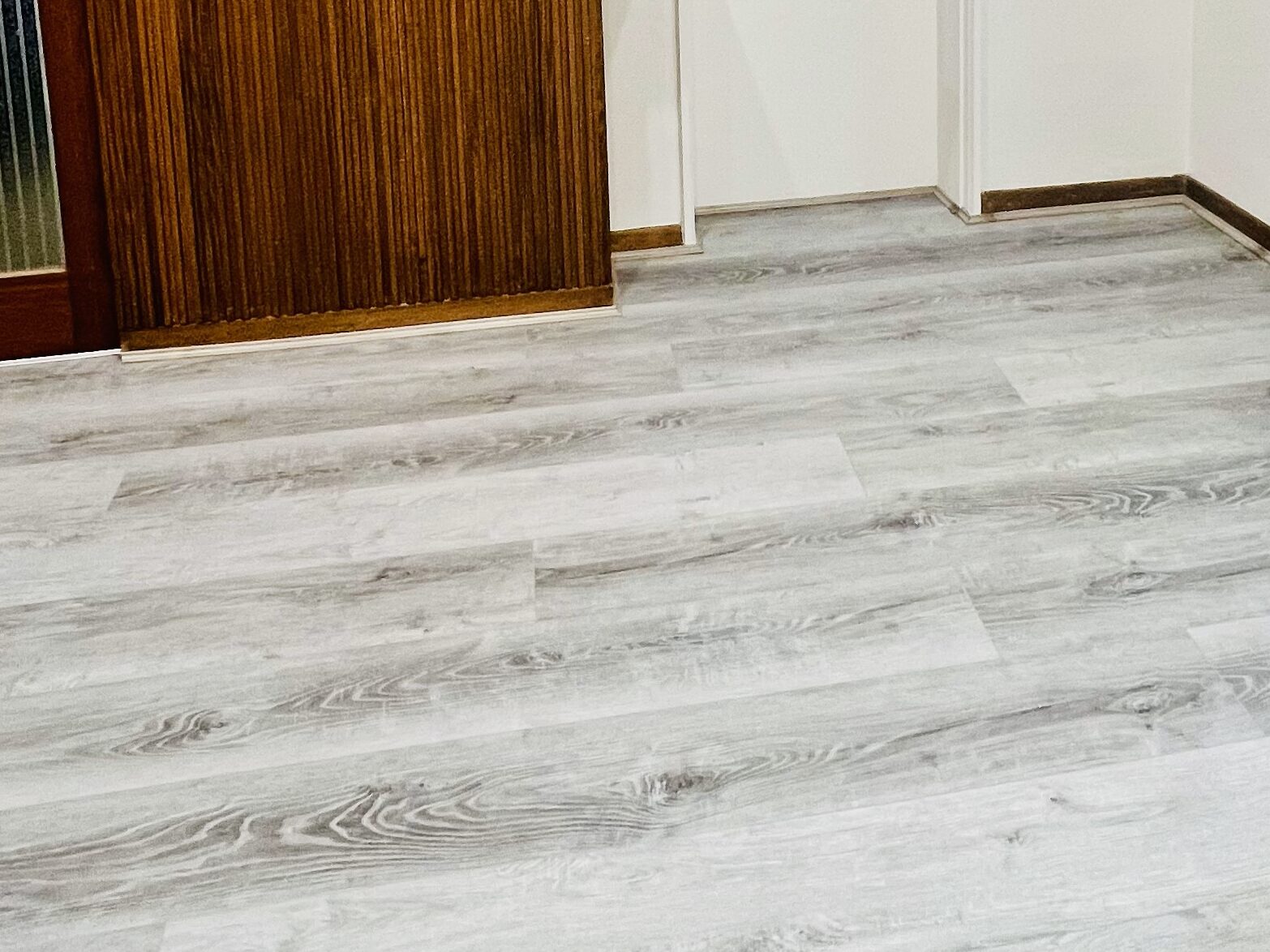
Overall, vinyl flooring is a popular choice due to its versatility, durability, and budget-friendly nature. It offers a practical and attractive solution for homeowners seeking a resilient flooring option that can withstand daily wear and tear.
Carpet Flooring
Carpet flooring is a soft and comfortable option that provides warmth, insulation, and noise reduction. Here’s some information about carpet flooring:
Types of Carpet: There are various types of carpet available, each offering different characteristics:
- Cut Pile: This is the most common type of carpet, featuring cut loops of yarn that create a soft and dense surface. Examples include plush, Saxony, and frieze carpets.
- Loop Pile: In loop pile carpets, the yarn forms loops of equal height, resulting in a more durable and textured surface. Berber and level loop carpets are popular examples.
- Cut and Loop: These carpets combine cut and looped fibers to create a patterned or textured appearance. This type offers a blend of durability and visual interest.
- Carpet Tiles: Carpet tiles are individual tiles that can be installed in various patterns. They are often used in commercial settings but can also be suitable for residential use.
- Comfort and Insulation: Carpet provides a soft and comfortable surface underfoot, making it ideal for areas where comfort is desired, such as bedrooms and living rooms. It also acts as a natural insulator, providing warmth and reducing energy loss through the floor.
- Noise Reduction: Carpet absorbs sound and reduces noise transmission, making it beneficial in multi-story homes or areas where noise control is important. The dense fibers help dampen sound vibrations and minimize echoing.
- Design Options: Carpet comes in a wide range of colors, patterns, and textures, allowing for versatility in design. Whether you prefer a solid color, a subtle pattern, or a bold statement, there are numerous options available to suit different interior styles and preferences.
- Installation: Carpet installation typically involves stretching the carpet over a cushioned pad and securing it around the perimeter of the room. It is important to have professional installation to ensure proper fitting, stretching, and trimming.
- Maintenance: Regular maintenance is required to keep carpets in good condition. Vacuuming on a regular basis helps remove dirt, dust, and debris. Spills should be attended to promptly to prevent staining, and professional carpet cleaning may be necessary periodically to deep clean and refresh the carpet fibers.
- Allergies and Indoor Air Quality: Contrary to popular belief, carpets can actually help improve indoor air quality by trapping allergens and particles, preventing them from circulating in the air. Regular vacuuming and professional cleaning can further reduce allergens and improve overall air quality.
- Longevity: The lifespan of carpet varies depending on factors such as quality, fiber type, and maintenance. On average, carpet can last around 10 to 15 years with proper care. However, high-traffic areas or excessive wear may require replacement sooner.
- Considerations: It’s important to consider the specific needs of the area where carpet will be installed. For example, areas prone to moisture, such as bathrooms or basements, may not be suitable for carpet due to potential mold and mildew issues. In such cases, alternative flooring options like tile or vinyl may be more appropriate.
Carpet flooring offers a soft and cozy feel that is particularly appealing in residential settings. It is important to choose the right type of carpet based on factors such as traffic levels, durability requirements, and personal preferences. Consulting with carpet professionals can help you select the appropriate carpet for your specific needs and ensure proper installation.
